Enquiry

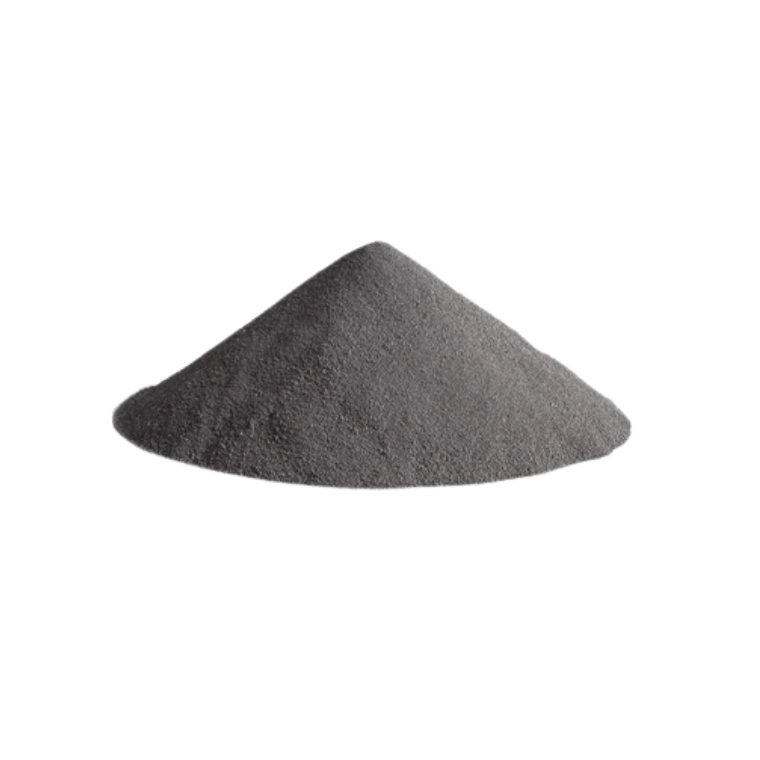
Measures the percentage of silt present in fine aggregates by volume. Excess silt can weaken the bond between cement and aggregate.
Determines the amount of silt in aggregates by weight. High silt content reduces the strength and durability of concrete.
Evaluates particle size distribution and calculates fineness modulus to assess the suitability of aggregates for concrete mix.
Indicates the density of aggregate particles compared to water. Essential for calculating mix proportions and quality control.
Measures how much water aggregate can absorb. High absorption indicates porous material which may affect water-cement ratio.
M Sand for plastering is a specially manufactured sand that is produced by crushing hard granite stones or rocks. It is engineered to have uniform particle size and smooth texture, which makes it ideal for plastering applications. Unlike natural river sand, M Sand is free from impurities such as clay, silt, and organic materials, ensuring a clean and consistent product. This quality enhances the bonding strength between the plaster and the surface, resulting in a stronger, more durable finish.
Additionally, M Sand's finely graded particles allow for smoother application and better workability, reducing the chances of shrinkage and cracks over time. It also offers higher compressive strength, which improves the longevity of plastered surfaces. Being a sustainable and eco-friendly alternative to natural sand, M Sand helps in conserving river ecosystems while providing reliable performance in construction projects.